

Gum Disease: What You Need To Know
Your gums play a vital role in supporting your teeth and overall oral health, yet we often overlook them in our daily care. Gum disease is a condition in which the tissues surrounding the teeth become inflamed and, if left unaddressed, can lead to long-term complications. Understanding how gum disease develops and recognizing early signs can help you take proactive steps to maintain a healthy, confident smile. Read to learn more.
What Gum Disease Is & How It Develops
Gum disease begins with the buildup of plaque, a sticky film of bacteria that naturally forms on teeth. When plaque is not removed through regular brushing and flossing, it can harden into tartar, which irritates the gums and leads to inflammation. The earliest stage of gum disease, known as gingivitis, is often mild and reversible with proper care.
If gingivitis goes untreated, it can progress to periodontitis, a more advanced form of gum disease. At this stage, your gums may pull away from your teeth, creating deeper pockets that can harbor bacteria and lead to tissue and bone loss over time. Early attention plays a key role in preventing this progression.
Gum disease develops due to several factors, including oral hygiene habits, diet, and genetics. Even patients who brush daily benefit from professional cleanings, which remove plaque and tartar from areas that are difficult to reach at home. Staying attentive to gum health and maintaining regular dental visits helps stop early concerns from becoming more complex.
Recognizing Early Signs
Catching gum disease early makes treatment simpler and more effective. Common signs to watch for include:
- Red, swollen, or tender gums
- Gums that bleed during brushing or flossing
- Persistent bad breath or an unusual taste in the mouth
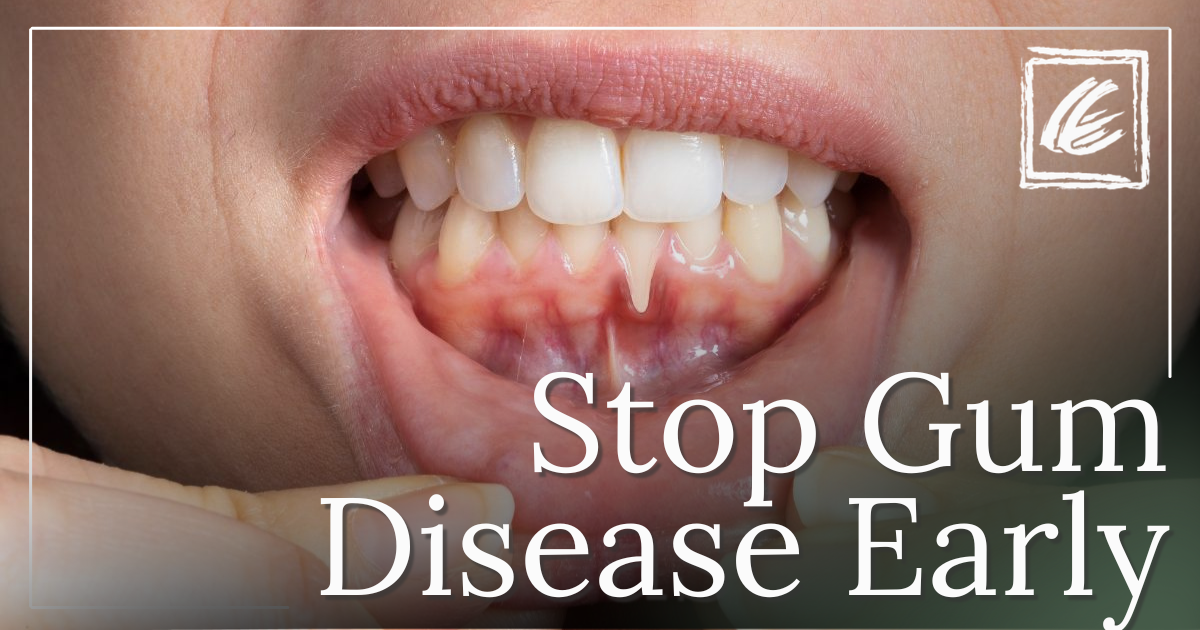
- Mild gum recession or changes in how teeth fit together
Even subtle symptoms are worth noting. Early intervention, such as improving brushing and flossing techniques or scheduling a professional cleaning, can often reverse gingivitis and restore gum health.
Why Early Detection Matters
Early detection allows gum disease to be treated with less invasive and more predictable care. When addressed in the gingivitis stage, gums can often return to full health without additional procedures. More advanced periodontitis may require deeper cleanings, such as scaling and root planing, and in some cases, further treatment.
Routine dental visits allow us to monitor changes in gum health, tartar buildup, inflammation levels, and bite alignment. This ongoing evaluation supports personalized prevention plans that protect teeth and gums. Healthy gums form the foundation of a strong smile and contribute to overall wellness.
Maintaining Healthy Gums
Healthy gums are supported through consistent daily habits and professional care. Brushing at least twice a day, flossing daily, and attending regular dental cleanings help remove plaque and tartar where bacteria thrive. A balanced diet, proper hydration, and avoiding tobacco products further support gum health.
By understanding the basics of gum disease and staying alert to early signs, you can take confident, proactive steps to protect your smile. If you have been experiencing any of these signs, please contact our office located in The Woodlands, TX for an evaluation and let us help you return to comfort and optimal oral health.