

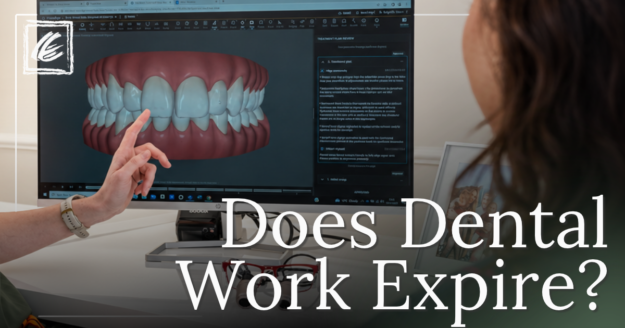
How Long Does Dental Work Last?
Modern dental restorations are designed to be strong and durable, but they still live in a demanding environment. Over time, materials wear, restorations can be damaged, and the supporting tooth can change.


Modern dental restorations are designed to be strong and durable, but they still live in a demanding environment. Over time, materials wear, restorations can be damaged, and the supporting tooth can change.

Your smile changes over time, and the way we care for it should change with you. Think about how many things have changed since we first started seeing you. Maybe your family has grown, your schedule looks completely different, or you have picked up a few new hobbies along the way. Your health may have changed a little too, and your smile is no exception.

When we tell you we’d like to monitor something, we’re making a deliberate decision. Maybe we’ve noticed a small change in a tooth, an area of your gums, an existing restoration, or something on an X-ray that we want to compare at future appointments. Rather than rushing into treatment, we can keep track of it and see whether anything changes.
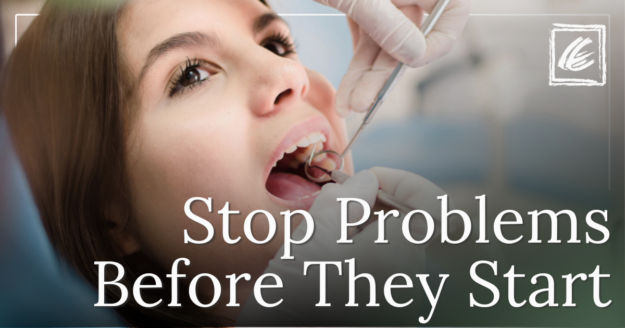
Your smile goes through a lot every day. Eating, drinking, talking, and chewing all take their toll over time. Even if you brush and floss consistently, plaque and tartar can still build up in areas that are difficult to reach at home. Regular dental cleanings and examinations allow us to remove this buildup while closely monitoring your overall oral health. These routine appointments help us identify small concerns before they become larger, more complicated problems.

You may be surprised to learn that not every damaged tooth can be repaired with a simple filling. While fillings are one of the most common and effective treatments in dentistry, there are times when a tooth needs additional support to remain healthy and strong. Fortunately, modern restorative dentistry offers several conservative treatment options designed to protect damaged teeth while preserving as much natural tooth structure as possible.

Periodontal disease, the clinical name for gum disease, refers to any infection or inflammation of the gums and can range from mild gingivitis to severe periodontitis. Periodontitis is the advanced stage of the disease and is irreversible. At this stage, the infection destroys the bone and tissues that support the teeth. Keep reading to learn more.

Most patients assume a crown is just a cap or cosmetic fix, but that misses its real purpose. A crown also restores a tooth’s strength, and we usually recommend one when a tooth can no longer reliably withstand daily bite forces. Read on to learn more.

Most people know that brushing their teeth is important. We learn about it in early childhood, and it becomes part of our daily routine. Flossing, however, is the habit many skip, often because it feels more like an afterthought to brushing your teeth and not necessarily needed, when, in fact, flossing cleans the tight spaces between teeth that brushing misses. Those small areas often trap food particles and plaque. Read on to learn more.

Your gums play a vital role in supporting your teeth and overall oral health, yet we often overlook them in our daily care. Gum disease is a condition in which the tissues surrounding the teeth become inflamed and, if left unaddressed, can lead to long-term complications. Understanding how gum disease develops and recognizing early signs can help you take proactive steps to maintain a healthy, confident smile. Read to learn more.

Tooth pain has a way of disrupting your entire day, making it difficult to focus on work, enjoy meals, or get a good night’s sleep. When that first twinge appears, many people hope it will simply go away on its own, especially if the discomfort comes and goes. While this wait-and-see approach might seem reasonable, understanding what tooth pain really means can help you make better decisions about when to seek professional care. Read on to learn more.